


PARAMETERS
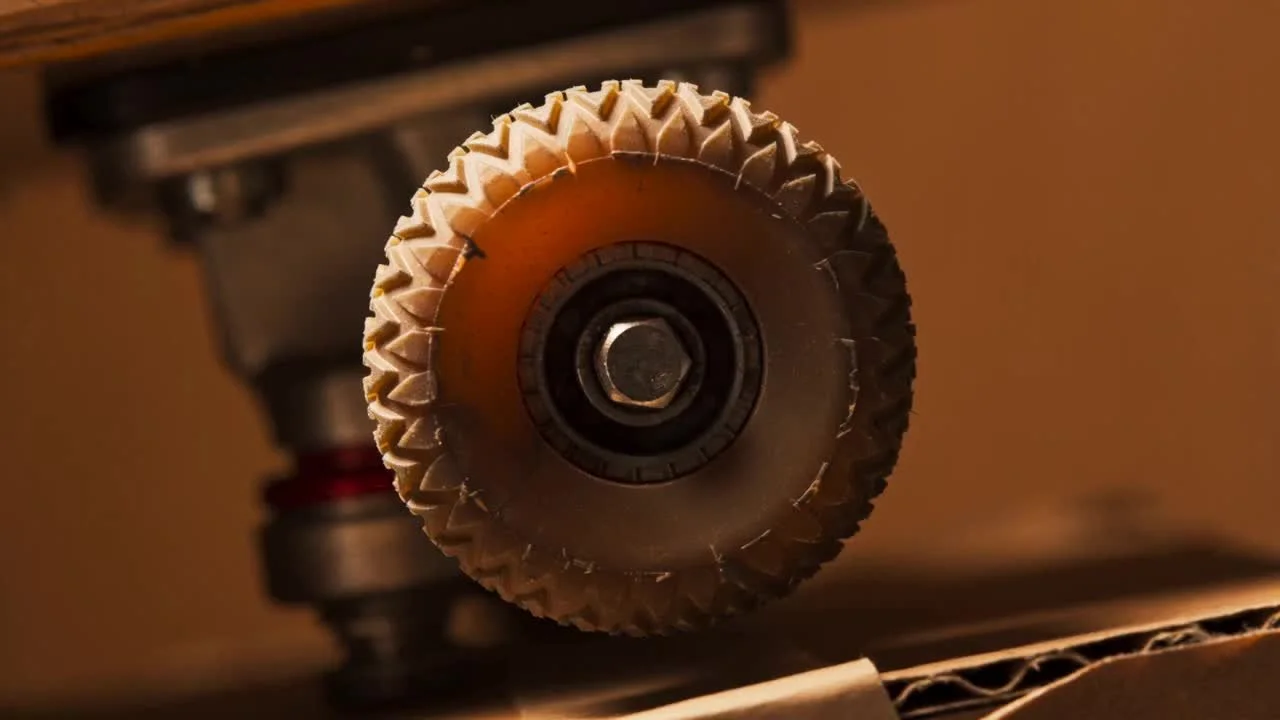
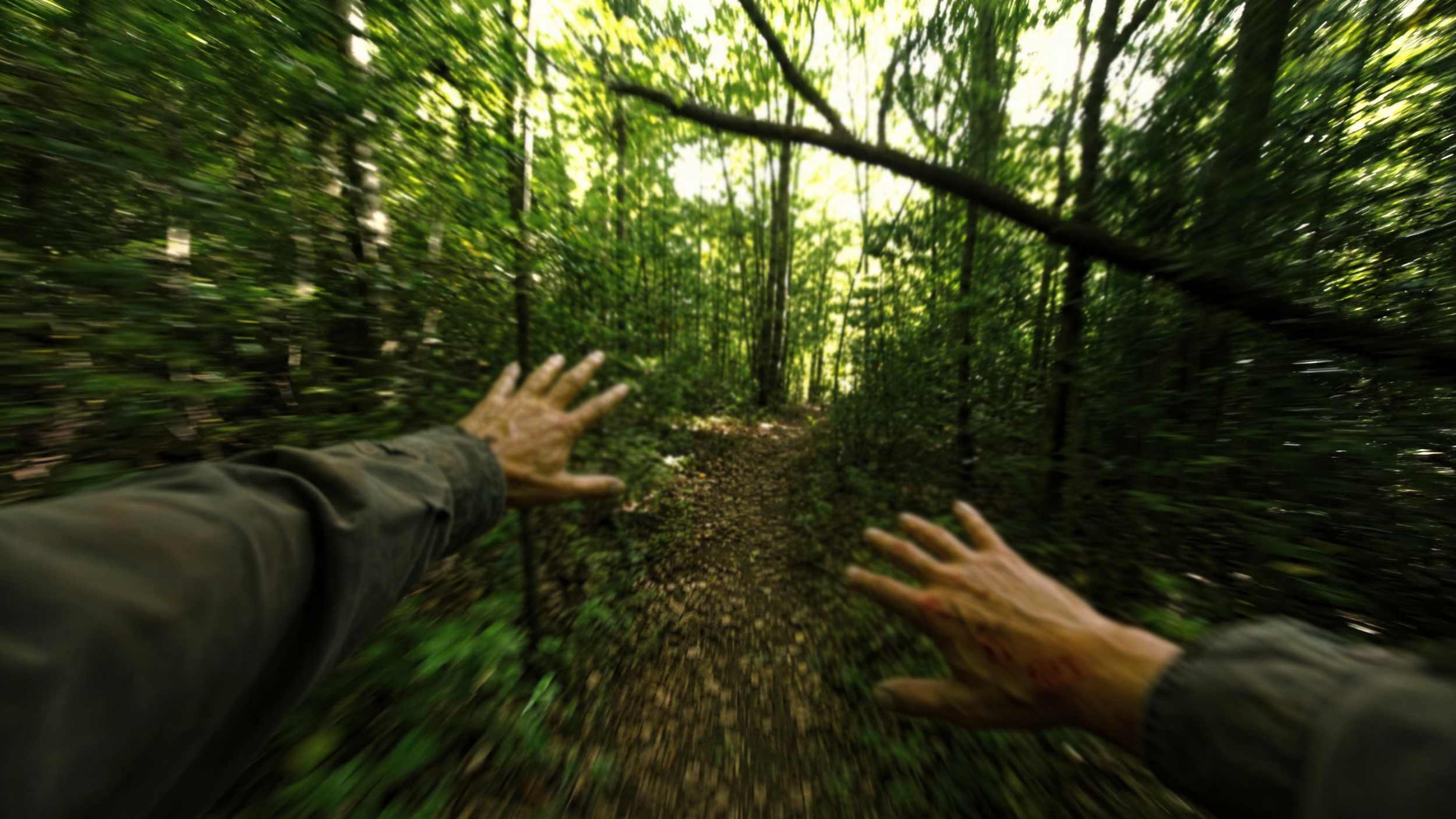
The four spots above are a small selection from a larger set I produced as part of a three day case study, designed to rapidly prototype a potential AI-integrated production pipeline for short-form social content.
The core parameter was simple: AI-generated footage would serve as the base layer, while everything around it would be built manually. The goal was to test what happens when generative video is treated as raw production material rather than a finished asset.
PROCESS
The projects demonstrate a hybrid workflow where AI-generated footage is treated as the starting material, not the finished piece. I used generative models such as Runway Gen-3 for cinematic motion, Pika for fast iteration, Stable Diffusion for controlled image generation, and Midjourney for concept exploration. I also used AI voice generation where appropriate to develop and test voice-over as part of the creative process, then brought those outputs into a traditional post-production workflow.
From there, I handled the edit, sound design and motion graphics manually. Each piece was built through the same basic process: generate and iterate with AI, select and shape the strongest material, then use conventional creative tools to build the final spot around it. This allowed me to test where AI could create meaningful gains in visual development, voice, and iteration, while keeping timing, taste, narrative structure, sound, and creative direction under human control.
OUTCOME
The outcome was a working proof of concept for a hybrid production pipeline. Across the experiment, I produced 15 spots in 3 days, generating 45 visual variations and testing multiple creative directions within a production window that would typically require substantially more pre-production and post-production time.
The experiment demonstrated that AI can create meaningful efficiency gains when integrated at specific points in the pipeline. Visual development and iteration became faster, while traditional editing, motion graphics, sound design, scoring, and finishing remained human-led.
The study showed that the value of AI is not simply in generating assets faster. It is in creating more opportunities to explore, iterate, and make creative decisions earlier in the process. The final work still depends on human judgment to determine what is worth keeping, how it should be edited, and how all of the individual elements come together.
The result is a production workflow that can move faster and support more creative iteration while maintaining control over intent of the final piece.